Energy-as-a-Service — zero CAPEX, fixed unit rate, day-one savings.
A practical guide for CFOs and Energy Directors weighing whether to own energy assets or buy the energy as a service from a third party.
Energy-as-a-Service (EaaS) is a long-term contract under which a third party designs, funds, owns, builds and operates your on-site energy assets — and you pay only for the energy delivered, at a fixed unit rate below your current grid tariff. No CAPEX, no asset on your balance sheet, no O&M overhead, and savings from month one. The trade-off: you don't own the asset at end of term unless the contract is structured that way.
What Energy-as-a-Service actually is
A long-term (typically 10–25 year) contract in which a provider invests in on-site solar, storage and/or EV infrastructure on your site at zero capital outlay to you, and sells you the resulting energy at a fixed, indexed unit rate that is lower than your current grid import cost.
A leasing arrangement or hire-purchase. EaaS providers retain ownership for the contract term. You pay per kWh delivered, not per asset. It is also not a Power Purchase Agreement (PPA) — though PPA is one component within an EaaS contract.
- Unit rate
- The fixed price per kWh you pay for energy delivered by the on-site asset. Typically indexed to CPI or RPI to manage long-term inflation.
- Off-balance-sheet
- An asset and liability structure where ownership sits with the provider, keeping the asset (and any debt) off the customer's books. Operating-expense treatment under IFRS 16 depends on contract structure.
- End-of-term handover
- What happens to the asset at the end of the contract. Three common models: provider removes, provider extends, or asset transfers to customer (sometimes at a nominal sum).
- Take-or-pay
- A clause requiring the customer to pay for a minimum volume of energy whether consumed or not. Strong EaaS contracts minimise or eliminate this.
- Performance guarantee
- Provider commitment to deliver a contracted volume of energy. Shortfalls trigger compensation. Aligns provider incentives with customer outcomes.
Commercial impact
EaaS exists because three things block most commercial energy projects: capital, complexity and risk. EaaS removes all three. The CFO conversation is no longer 'should we deploy capital into energy?' — it's 'should we sign a long-term contract for cheaper energy?'
- 01
Zero capital outlay — capital that would otherwise be deployed into energy assets remains available for core business investment.
- 02
Off-balance-sheet treatment available — operating expense rather than asset and depreciation (subject to contract structure and IFRS 16 assessment).
- 03
Fixed unit rate typically 15–35% below current grid import, indexed at CPI or RPI to manage long-term inflation.
Operational impact
Operationally, EaaS is the lightest-touch energy upgrade available. You don't operate the asset, you don't maintain it, you don't insure it. You receive energy at a fixed unit rate and a monthly statement.
- 01
No O&M obligation — the provider monitors, maintains and replaces components for the full contract term.
- 02
Insurance and warranties sit with the provider, not the customer.
- 03
Live performance data is provided as a contractual deliverable — no separate monitoring contract required.
Risks — and how we de-risk them
Contracts include defined exit and break clauses. We model break-clause economics openly before commitment, so 'what happens if we exit at year 10' is a known number, not a surprise.
Index mechanism (CPI/RPI) is contractually defined and capped. Grid has no such cap. Modelled side-by-side at signing under multiple inflation scenarios.
Minimum-volume clauses are negotiated to your historical consumption with safety margin. Strong EaaS contracts make take-or-pay a fallback, not a default.
Contracts include step-in rights for funders / replacement operators. The physical asset and revenue stream remain; only the operator changes.
Lease-aligned contract terms; or assignment rights so the EaaS contract transfers to the new occupant.
End-of-term options (extension, transfer to customer at agreed valuation, removal) are defined at signing. No surprises in year 25.
How it gets paid for
Four ways to fund the same physical asset. Pick the one that matches your balance sheet and your time horizon.
One delivers in year 4. The other delivers in month one.
Cumulative cash position over 15 years for a typical UK commercial 100 kWp solar install. Hover the chart for the year-by-year breakdown. Figures are illustrative, based on published benchmarks — not a quote.
- 100 kWp rooftop PV · 95,000 kWh year 1
- CAPEX install: £85,000 turnkey
- Grid import £0.28/kWh, +4%/yr
- EaaS rate £0.21/kWh, CPI +2.5%/yr
- 80% self-consumed · 0.5% panel degradation
- O&M £1,200/yr · inverter swap Y12
Hover the chart to see each year.
How this stacks up against the alternatives
| EaaS | PPA | CAPEX | Asset Finance | |
|---|---|---|---|---|
| Capital required | Zero | Zero | Full | Deposit + monthly |
| Balance sheet impact | Off (typically) | Off (typically) | On — asset + dep'n | Depends on lease type |
| You own the asset? | No (configurable) | No | Yes | Yes at term end |
| Day-one savings | Yes | Yes | After payback | Net of finance cost |
| O&M responsibility | Provider | Provider | You | You |
| Lifetime savings | Good | Good | Highest | Strong |
| Performance risk | Provider | Provider | You | You |
EaaS is not always the right structure — but for any business without internal energy expertise, without surplus capital, or with a strong preference for operating expense, it is the cleanest route from problem to outcome. The right contract is one you understand line by line at signing.
Questions buyers actually ask
Selected projects
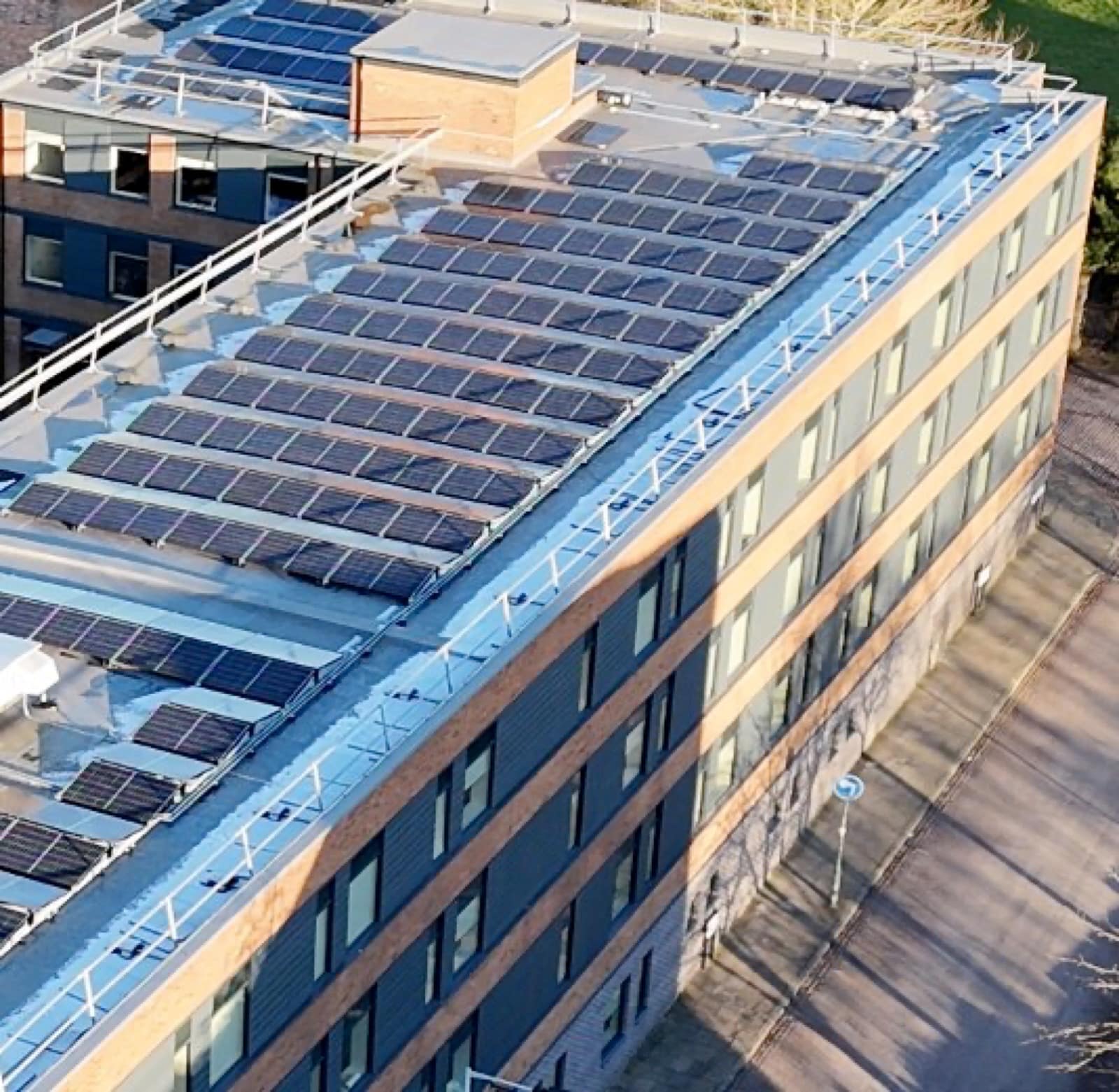
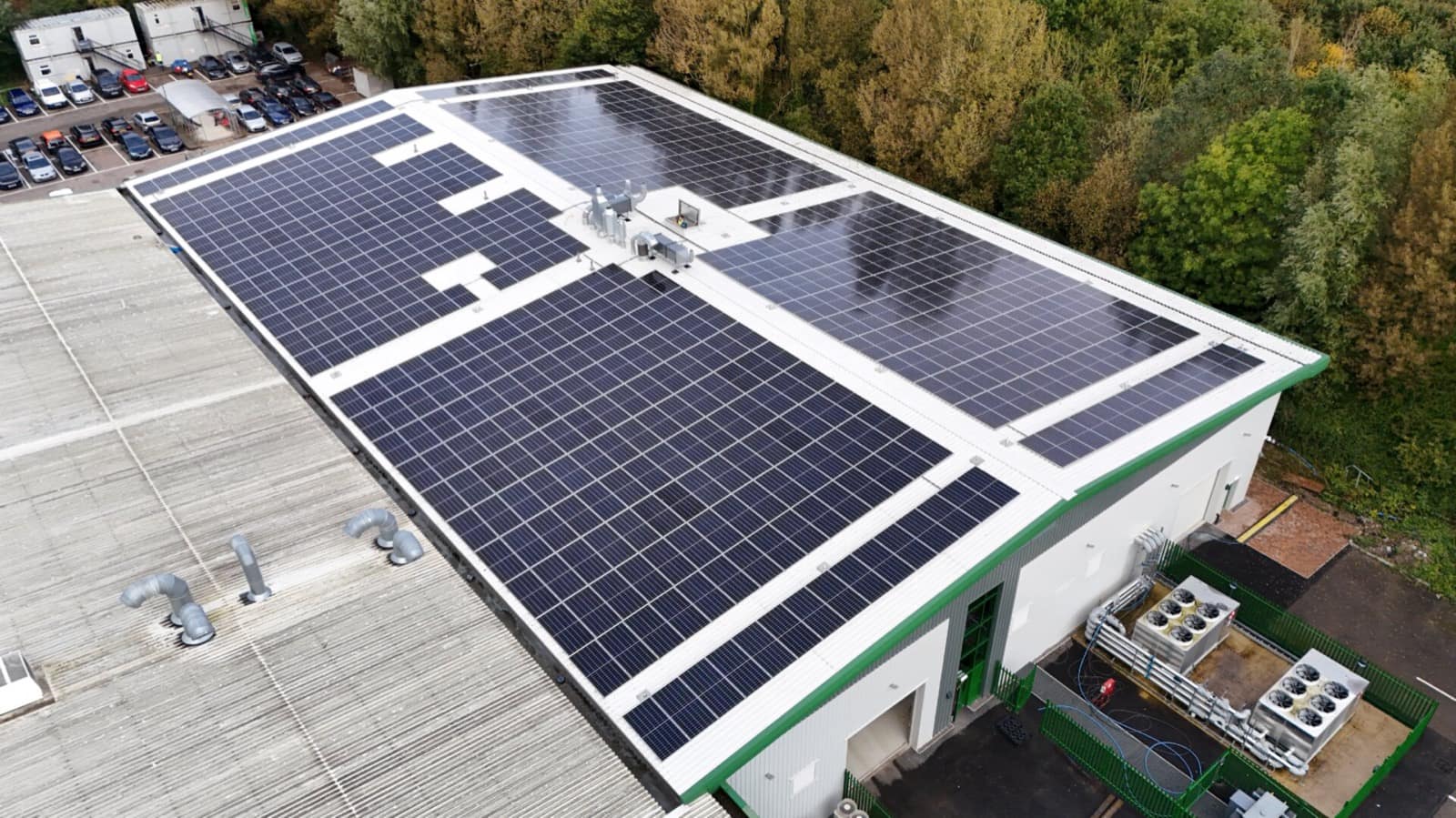
Marston's PLC
Sustainability initiative — headquarters and Phase 1 solar installation across Marston's hospitality estate, delivered with HT Power PPA support.
- System size
- 114.38 kWp
- CO₂ saved
- 17.44 T
- Payback
- 4 years
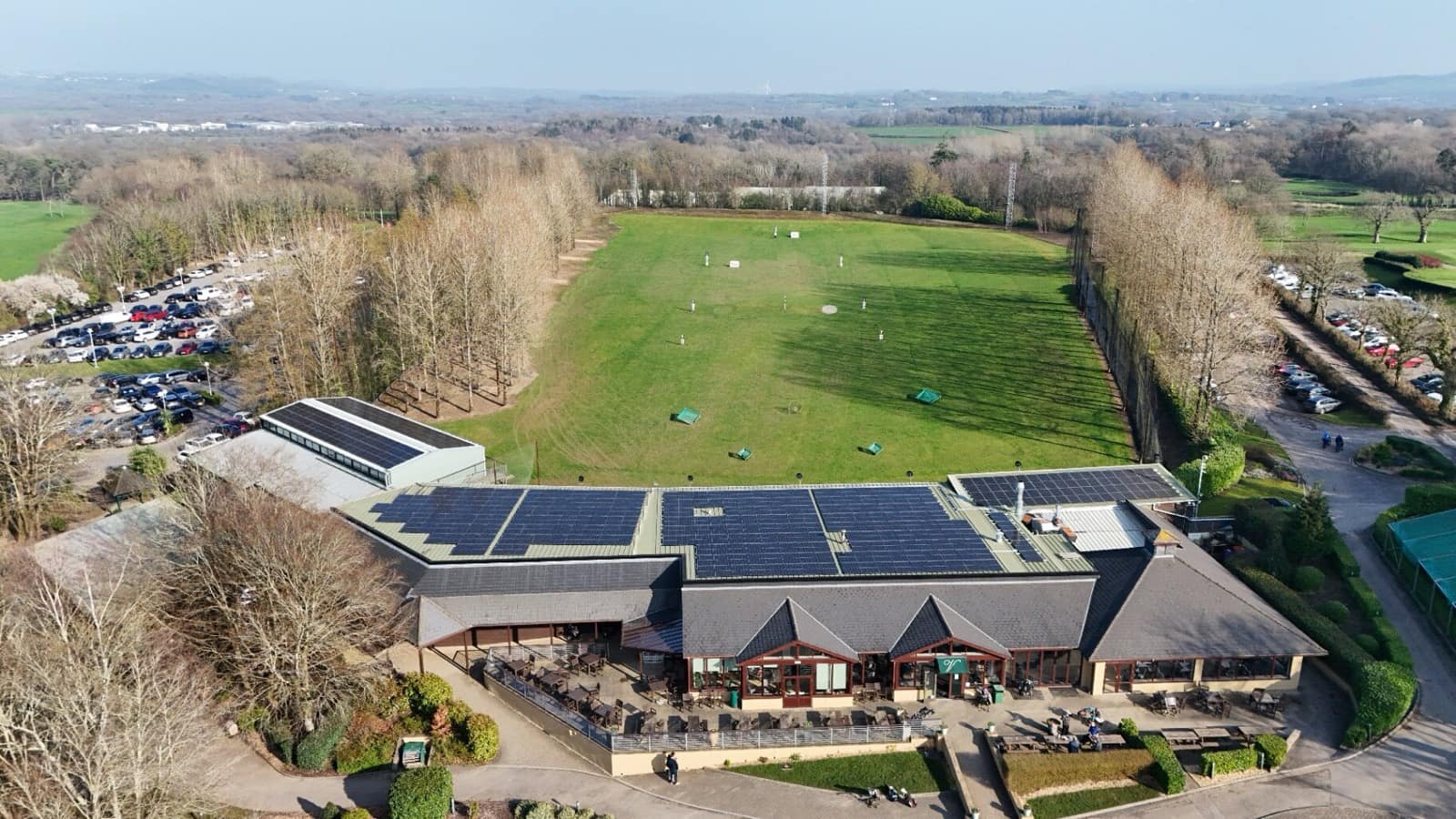
The Vale Resort
Solar PV plus EV charging delivered live across a working luxury resort and golf club.
- System size
- 168.81 kWp
- Year-1 savings
- £43,049.60
- CO₂ saved
- 28.8 T
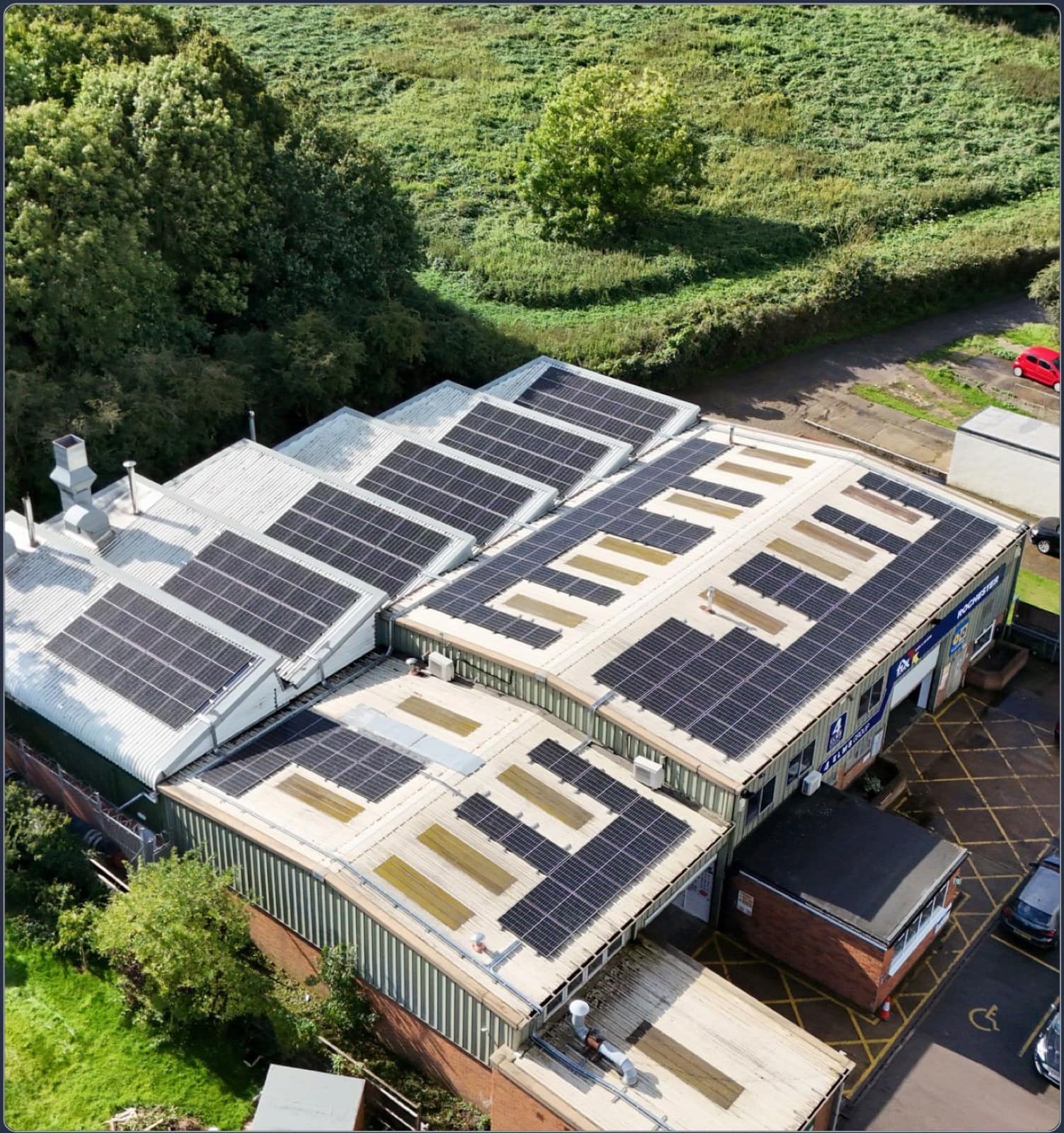
Four Elms Group
Solar PV across a UK network of automotive repair and accident management centres.
- System size
- 117.45 kWp
- Year-1 savings
- £33,632
- Payback
- 3 years
Related solutions
Commercial Solar PV
Bespoke rooftop and ground-mount solar designed to cut your bills and your scope-2 emissions.
Battery Storage
Pair storage with solar — or run it standalone — to optimise tariffs, resilience and grid revenue.
EV Charging
Full consultancy, installation and maintenance for charging at any scale, integrated with on-site generation.
Ready to model your numbers?
Five quick questions and our team will come back with a tailored proposal — CAPEX, finance, PPA or fully funded.